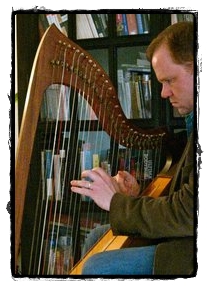
Scott Hoye Talks about His Home Recording of Black Rose (Interview)

Between O’Carolan and Indie music  is a gem of many facets: The home recording of Black Rose by American singer/harpist Scott Hoye.

Scott Hoye is my guest for this week. His album Black Rose is out in the market. It was also the start of my comprehensive journey into the world of harp music. It was an interesting learning experience. There are many harpists around the world. The harp community is growing. Within the community is a wide range of eclectic music. Every artist has his or her own unique approach in terms of style and  arrangement.

Scott Hoye embraces the two worlds of Celtic rock and New Age music. His time with Seranati and The Spriggans contributed to the edgy style of his compositions. On the other hand, his inclination for ambient or meditative music contributes to the spiritual nature of his tracks. It is the kind of balance that is both surprising and essential. This eclecticism enables him to morph into genres. It is no surprise his answers in this interview are well thought of and very informative.

At last your debut album Black Rose is finally out. This is your first solo project outside The Spriggans and Seranati. How do you feel about having this harp album finally?

My experience in creating and releasing Black Rose is twofold. I am extremely proud and happy with the end product, but as the only producer of this album, I can still hear all of the minute aspects of it that I could work, re-work, and work some more to “perfection”. However, you have to tell yourself at some point, “it’s time to kick the eagle out of the nest so that it can fly, live a life of its own”, so to speak.

The experience of recording itself was extremely rewarding, with a lot of learning curves for me. I had to put together a home studio, purchase gear, learn about engineering and mixing, write, arrange, perform all of the instrumentation and vocals, and research mastering, marketing, and distribution. I wore a lot of hats.

My goal was to work creatively, within a limited budget. The technology has changed so much since I recorded with Seranati or The Spriggans. One can literally make decent recordings at home, and work with an engineer for mastering. My goal was to work with as little as possible. Black Rose was created with one microphone, for example. I learned to use that one microphone to get a rich, mellow sound from my harp. It was also recorded in a very dry environment to control for extemporaneous sounds. That required me picking the brains of other people to work with creating a nice, resonant sound during mixing. But, I am probably digressing a bit here, and obviously this shows how excited I am about the process of creating with studio equipment, back to answering your question.

Knowing that songs I wrote fifteen years ago are realized in some fashion feels great. Knowing that I can record and produce music for people to enjoy is also gratifying. I don’t look at Black Rose as a harp album. It does feature the harp, but I set out to make a good album, not a good harp album. I hope that the variety of sounds (vocals, harp, whistles, and percussion) translates into that good experience for the audience.

Here is a link to an article I wrote last year on my recording process: http://www.wirestrungharp.com/revival/home_recording_harp.html

This is brilliant! Home recording is really the trend these days

Thanks! Glad you like it.

That article about Home Recording With a Harp is great to read. I think it is a great source of information for those wanting to start their own home recording. That essay tackles the challenges in terms of the instrumental aspect of home recording. Tell us about the vocal aspect. Your album is rich with vocal experimentation. Oh Rainy Night is an example of what you did with layers. What were the challenges doing that song as well as your approach in terms of the singing style?

Oh Rainy Night was a difficult song for me to re-conceptualize. I had originally written it for Seranati. I imagined it would be sort of like a Beatles song, either ala Revolution, or something off of Rubber Soul. Or, we would at least try not to do it so heavy handed, ala Robin Trower or Black Sabbath. This was the biggest stumbling block for me, as I couldn’t get a stop chorus of guitar, drums and keyboards out of my head. It came down to just laying the lead vocals down, and going from there. I re-imagined it with a harp accompaniment and percussion. Well, the key I liked the vocals in was C sharp major, a very lousy key for the harp to play in; lovely for keyboards. So I wound up say, “to heck with it”. I didn’t want throw out the tune entirely, and decided that a cappella was probably the strongest bet for the tune to work. I think that was probably the best choice.

As for the recording aspects of that song, it was simply adjusting the gain to meet the right level for my very loud singing, and recording the other parts. I wrote the alto and bass section in vivo; while I went along.

I like the mash up between Eleanor Plunkett and Fanny Poer. The result was really refreshing. It could have been a pairing of other songs but why these two?  

Simply put, O’Carolan wrote some of the loveliest harp music. A lot of tunes are attributed to him, and since they were passed down via the oral tradition among harpers, we don’t know which tunes are really his. These two tunes, in my estimation, are elegant, and appear to be a hybrid of Irish music and the baroque music of the English (Anglo-Irish) courts that he was fond of emulating, so I’m pretty sure they are his. The reason I chose to record them is because they are simply beautiful.

I chose to pair them up because they complement each other. Eleanor Plunkett is sad and plaintive. It ends on the dominant degree of the scale, having a strange sense of, or lack of resolution for the listener. Fanny Poer is festive, and it lands right on the tonic. In essence, the sounds move from sad/reflective to festive/happy. Limiting Eleanor Plunkett to solo harp adds to the sense of inner reflection; adding whistle and djembe to Fanny Poer built up the tension and the added color for the arrangement, allowing me to add and remove instruments as the first and second sections played out. I think that using the djembe rather than the bodhran provided a different take on the tune. When paired with the whistle, there is, I think, an almost a Caribbean flavor. The break from the harp at that also provides variety.

Mind you, I didn’t think of arranging these two tunes outright. Rather, I approached them one step at a time, and thought about how the arrangement could be crafted for the most possible interest and variety for the listener.

There is this huge wealth of music within the harp community. I also noticed the support you give to each other as musicians. Do you think that the harp (most specifically the Clarsach) has already attained the same level of mass exposure like say the fiddle or bodhran or do you think it is still heading that way and you as well as other artists are smack in the middle of that turning point?

Good question. I don’t believe the clarsach has attained the same level of exposure as fiddle, bodhran, or guitar for that matter. I think that the reason is twofold. The other instruments are spread wider at this point in other styles of music and just more culturally accepted; “monkey see, monkey do”. I think the other reason is portability. Hauling a harp takes dedication, endurance, and planning. You can easily toss a violin in a case and go. 😛

I do think that the harp is on the edge of really taking off as a more main stream instrument. Lots of great players are doing incredibly innovative work: Jochen Vogel, Rachel Hair, and Catrin McKay to name a few. Apparently, the Scottish scene is booming right now, and lots of young harpers are taking up the instrument. I hope that the wire strung harp comes up alongside the gut and nylon strung as well. I know there are great players on wire who are exposing more people to its voice. It really has a distinct sound, and it, along with the pipes, span the bridge back to the origin of a lot of British isle Celtic music. I hope this second wave of the “Renaissance of the Celtic Harp” includes equal growth for the wire strung.

A Place Where Time Stops is a track that somehow reminds me of   Flight of Dragons. I think it is the flute and the mellow singing. You also mentioned that this track has been influenced by religious and devotional poetry. It must have been an interesting period in your life. Please tell us more about it.
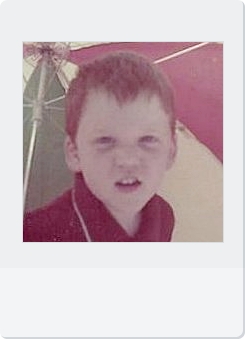
Future Bard

Well, it was an interesting time. I was working quite a bit as a musician and working day jobs in an unrelated field, selling books, and access to a great deal of reading material. I have always been interested in world religions and various takes on spirituality. I’m a member of the Anthroposophical Society, not very active these days, and not very orthodox for that matter. I find that spirituality is a pretty big part of who I am on some level, but I do have a more practical side as well, and try to balance the two out.

The theme in A Place Where Time Stops is based on the idea of the Beloved singing to the soul, so to speak. I suppose the Sufis sing to the Beloved as the spirit or God, attempting to work them into ecstasy. Some Hindu devotional hymns or chants are of Krishna singing to Radha, God wooing the soul. I suppose that the dialog in this tune works more from that angle. The ambiguity of the lyrics allows for the song, I hope, to translate as a simple, tender ballad or, if you take into account the sort of grandiose statements like, “I found an ocean, and you found a stream”, it can be seen as something more. At least I hope that is what comes across.

The first verses and chorus were written in 1995. I flushed the song out a bit more as I re-worked it for the album.

By the way, I just checked out Don McLean’s tune. I’ve never heard it before. Charming! I do believe that it was probably influenced in some way by Gentle Giant, or other prog rock bands that used recorders or winds in their work. All in all, I think it was a song that just fell together well as I was flushing out the parts during the recording process.
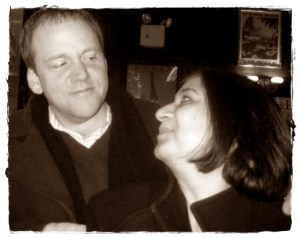
With wife Shabnam

Do you have any plan of releasing Black Rose through physical media?  

Yes. I plan to roll out a physical CD in the fall. I hope to have it available for purchase both directly from me and through an on-line distributor.

***

You can download this track for free. Please support our independent artists by buying the album or re-posting this article in other social media.

http://www.scotthoye.com/

http://soundcloud.com/scott-hoye

http://www.reverbnation.com/scotthoye

https://www.facebook.com/scott.hoye

https://www.facebook.com/groups/celticharp/

Chicago based harper and musician Scott Hoye was a founding member of the Celtic ensemble The Spriggans, as well as the progressive rock band Seranati. His repertoire includes traditional and original tunes on Celtic harp, vocals, whistles, and percussion. Scott gathers inspiration from traditional sources of Irish, Scottish, other Celtic, and folk, and world music, while mixing them together with contemporary sounds to create a new, sonic brew.
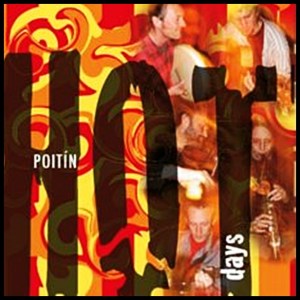
Hot Days (Album review) and Appalachian Still

Hot Days (2006)

Always expect energy when you listen to a Poitin album.  These guys always deliver goods with gusto. Hot Days is an album that looks the way it sounds (note the chili pepper red cover that screams hot hot hot!). The introduction of the didgeridoo and the soprano sax are pleasant surprises.  The album has everything that jumps and grabs you from behind.

Step It Out has Jeremy King’s superb vocals. Precision and tight musicianship are the things the band is known for.

For to Free. Wowwowow! The didgeridoo addition here is something I truly dig.  It is the right ingredient to the track! It makes you feel like you are in Australia, wearing a kilt and jumping with kangaroos. It begins with this ambient sound of an old vinyl record    being touched by a needle.

Who Are You is a fast traditional song. Every nuance is captured in the recording. The crisp vocals and resonant fiddle jive together with the fiery guitar strums. This song makes me feel like a young man ready for action.

Springtime Frolics is a track I can sum up in one word: stunning. These guys record their albums live. Such precision is not easy to master. I read somewhere that they would do it over again if ever something goes wrong. It’s like me writing this review, having a lot of re-editing to do when the grammar goes wrong wink wink.

Crazy Man Michael starts a capella and then blossoms with a guitar. It is a great title track. It sings about a tragic incident. You know, I read that if you have some Irish in you, then you will understand that the more painful the song is, the more the singing gets better. With its bare arrangement, the vocals gain the dramatic effect making it one of the most memorable singing styles I have heard in years.

Hot Days is a track which begins with both the high and low whistles fencing each other tenderly. The mournful notes progress into a beautiful track with rich arrangements and incandescent beauty which calls to mind a phoenix rising from its ashes. The second half of the track jumps into a jig with an explosive chorus of other instruments.

Midsomer is an energetic traditional track that won’t let you stop tapping your feet.

A Bucket Full of Mountain Dew is another traditional track with fast singing.  There are amazing vocal harmonies and a beautiful melody.

March Flowers is a jazzy jig which begins with the acoustic guitar, then the whistle and then other instruments join in. It has this swaying rhythm to it. It makes you think of seaside and relaxing afternoons. I noticed that there is a consistency of clean recordings all throughout the album.

For to Free really frolics into your mood and into your subconscious.

I Was A Young Man is a fast ballad about coming of age. There is great bodhran playing on top of the fiddling. The didgeridoo encapsulates the track like fine moth’s wings. It’s awesome!

Saxet is a jazzy traditional track with a vibe that smells of beer and chips. It is also a sexy track.

Curragh of Kildare ends the track with its amazing fiddling. Hot Days is an album that makes you realize that some very talented Irish music players are also found in the Czech Republic. This is world music at its finest. You can buy Hot Days here: http://www.cdbaby.com/cd/poitin5


Sources:

www.reverbnation.com/poitin

www.poitin.czwww.myspace.com/poitinkapela

www.soundclick.com/poitin

***

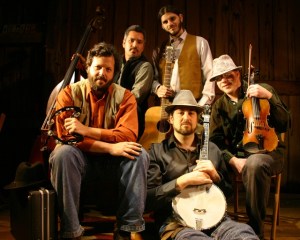
Get to know Appalachian Still

Guys who are into Bluegrass and anything Americana might want to get themselves ensnared by the music of these six guys bringing you nothing but the freshness of homegrown freshly brewed American music. The  good vibes of Bluegrass and Country music have made their way into my chest and now my head is moving back and forth while listening to tracks like Deep Ellum Blues and I Know You Rider. The band, Appalachian Still, is from Northampton Massachusetts and they have been around since 2005. Bring on the croissants, this is going to be a great day! Just give them a chance and who knows? You might get hooked, head over feet.

Members

Andrew Woodland: Clawhammer Banjo, Vocals & Management
Jared Libby: Guitar, Vocals, Recording & Engineering
Sean Mallari Upright Bass
Sam Barnes: Fiddle
Ivan Ussach: Drums/Percussion
Peter Nabut: Sound-Man

Sources:

http://www.myspace.com/appalachianstill

http://www.appalachianstill.com/

https://www.facebook.com/appalachianstill

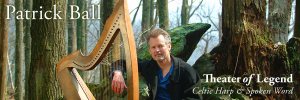
Patrick Ball

Patrick Ball continues to bring the lyrical gift of Ireland to the world through harp music and spoken word.

Anyone who is interested in the sound of the wire-strung harp knows Patrick Ball. A fan of traditional Irish music isn’t a stranger to his name or music. If you are an insider, I am sure you have heard of O’Carolan’s Farewell to Music. This man knows intensity. He knows how to use it to put the audience under his spell.

Listening to his music is a wonderful excursion into the world of imagination. That unique bell-like purity of the wire strung harp or Clarsach has gained worldwide prominence lately and  Patrick Ball is among those spearheading its renaissance. I read his biography and that years ago, this artist was studying to become a lawyer. I guess music finds us even in the most unexpected places and situations.

His music can move you to dance or to weep with its sublime beauty. Such magic contained in this instrument. And such power to move the emotions. Close your eyes and turn off the lights. Let the golden stars sparkle in every note. The  album Wood of Morois is out in 2010. You can learn more about him through the links I attached here.

Website: http://www.patrickball.com/

Facebook: https://www.facebook.com/patrick.ball.796

Additional resource :  http://www.wirestrungharp.com/

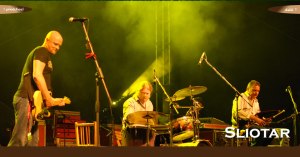
A Closer Listen:Fine Friends by Sliotar


The orange cover artwork shows the silhouette of a bare tree with birds on its branches. One should be aware that experience and wisdom can bring about something excellent. I had the pleasure listening to Fine Friends by Sliotar. A band interview is coming out soon.

The few chords of  the opening track remind you that Sliotar  can pack a wallop. Stick the Kettle On is an instrumental tune with captivating grooves. The uilleann pipes of Ray MacCormac remind you that pipes replace electric guitars here. A quarter to two minutes of this song will send you pogo dancing with gusto.

All Too Real showcases the band’s songwriting style that has that adult alternative twist. Even JP Kallo’s singing style fits the format. For those who like their Irish music more contemporary and radio friendly this is a fine example.

All Around Lough Gill is another instrumental tune showcasing the tin whistle. The drumming of Des Gorevan maintains its crunch all throughout the album without being too over powering. It took me several listens to this track alone to note that we are dealing with complicated drum styles here. Listening to music is like detective work. You don’t see pieces of evidence unless you look further and really pay attention.

May Morning Dew is sung without accompaniment. The strong sometimes gruff vocals maintain that expressiveness. The lyrics and the reverb created by either the room size or mixing have that compelling combination.

One Chance is a personal favorite. I like the sunny melody here. JP sings ‘Another Monday morning, coffee keeps you going, running late for work’  I think the Sliotar should expand on this direction more. I hear keyboards. I hear that nice editing effect applied to the last part of the chorus. Whoever did the sound engineering here has done an excellent job. I give this a high- five!

Rays Heel catches you by surprise with its unpredictable arrangement. It begins with that stately tempo, which calls to mind an idle walk , then around 2:50, it explodes into that fast jig that again gets you on your feet.

I could not stop smiling to  Rock-A-Bye Baby. It has that ingratiating appeal in its simplicity and intimacy, stripped of the drums. A perfect song to listen to when you are depressed and you want comfort. ‘Rock-a-bye baby..rain falls from the autumn sky..another wind blows hard and cold..let me keep you warm’ …Catchy!

Tinkering on the Bridge begins with the uilleann pipes and builds up into that foot tapping jig. It changes tempo at 2:05. The energy of this track really makes you rock your body.

Take it As it Is follows the vibe of  track 7 but with the drums. This is one hell of a tear jerker.

Whiskey in the Sauna makes me imagine that I am catching butterflies with my fingers or doing a kung fu/ Arabic dance steps on a Saturday night after meeting kindred spirits. Have you tried drinking whiskey in the sauna?

The album closes with the solo vocal track Fine Friends. It reminds you that after the laughter, everyone must part ways.

The album Fine Friends, also tells us that after listening to all the tracks, you will surely come back for more.This album deserves more listens because like good friends, the songs provide company that are enriching in all aspects.

About Sliotar

Sliotar is a three piece band based in Dublin playing modern folk music.
The roots of the tunes they play come from the music of Ireland,
but in the past few years the group is relying more and more on original
compositions. Sliotars fourth album, Cirque de Sliotar, has finally captured
the modern sound that has been in development and has been an obvious
at their live shows. Sliotar has been around now over twelve years,
eight with the current line up, and they have one of the longest running
residencies in Dublin in the Porterhouse. Also in the past few years
Sliotar have changed their way of touring, resulting the band travelling
all around Europe and even further. And still the Sliotars best asset is
the live show. Around 200 concerts every year keeps the band tight and
the energy of their live show is something that can only be experienced
and is not for the faint hearted.

You can buy Fine Friends here: http://www.sliotarmusic.com/?page_id=44

Welcome to the Musical Dublin

True Grit

True Grit

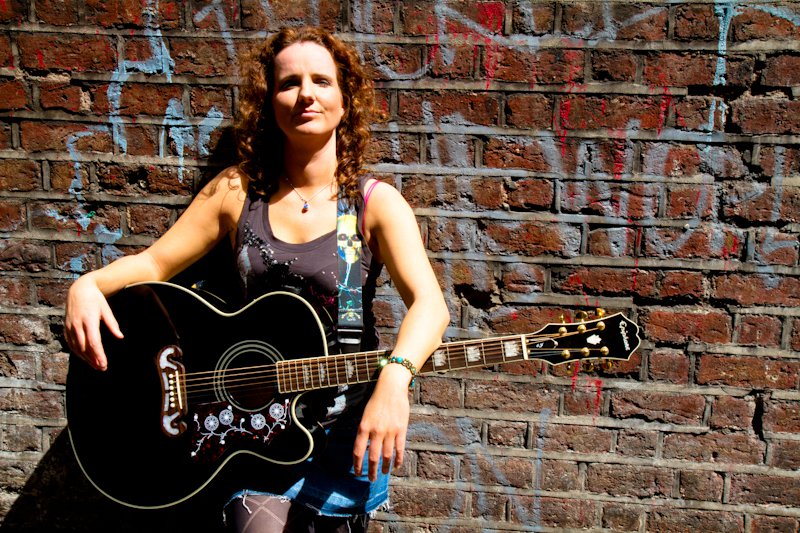
Essay of life as a Dublin musician in her own words 

by Rachael McCormack

I met Rachael through Fiach Moriarty whom she calls as Dublin’s local music hero. You always start from somewhere and that’s when you meet other people in the business. It is a thriving community of interesting people from all walks of life. Some of them even came from other parts of the globe but got marooned here and well, the rest is history.

She is from north of Dublin and got exposed to music at such an early age. Here are her thoughts about her city and why people never want to leave when they get there:

Well what can I say,100 words wouldn’t be enough about how much I love my hometown of Dublin, it’s one of the only cities that caters for unsigned musicians.
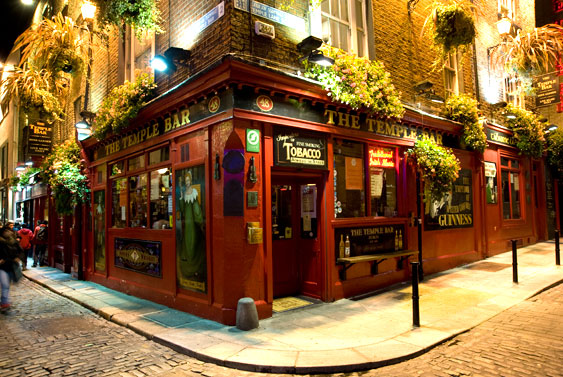
Down every street, every side alley your bound to bump into a musician playing guitar to violin to drums to even the odd thin whistle, especially around Temple Bar the carnival atmosphere in the square is pretty special, I myself would be seen walking the streets with the guitar on my back going to a gig.
As a very young child I’ve always wanted to play music.

courtesy of the Temple Bar website

courtesy of the Temple Bar website

I can think as far back as 6yrs of age when I’d be tugging at my mams jumper saying I want a guitar, or I’d make one out of a shoe box and shoe laces hahahaha. So Dublin to me is one big song with many choruses. Let’s face it, us Irish know how to party, so adding the music element is like water from a tap: It comes naturally I guess,we’re a nation of storytellers and the songs are there to guide us along the way.

With our famous exports as The Frames to The Script (and lets not forget U2),there’s something special about singing in front of a packed live audience. I recently visited the Glor Sessions which is a poetry/singer/songwriter night, where there is no mikes, no amps, just you and your voice and guitar.It’s really intimate and you feel that when you finished each song. I myself have always just wanted to play for people, at so many of my gigs I get at least one person coming up to me saying, I really loved your set, and that one person makes the whole night worth it, and that’s what music should be about, not will I ever be discovered?Or will I ever make it?

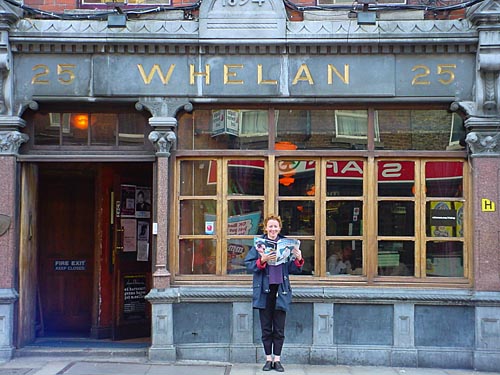
To me, I’ve already made it. I’m a musician and that to me is an achievement, from supporting Slumberjet, a Dublin based rock band in the renowned Sugar Club venue,to upstairs in Whelans for the battle of the bands Dublin final, it’s a fantastic city of acceptance, musically speaking, Irish audiences love you for who you are on stage and how unique you are. Us Dubliners are known for being a noisy bunch at gigs. But are always remembered for and are welcomed, and that’s what music is about: a celebration of local talent.

Hopefully in the coming years will just grow and grow in this fastly cosmopolitan city, but the thing is, I’m lucky I’m right in the heart of it, and that’s the best gift of all; the charm of the city will always make me want to play. I once played for 3 people and a dog. Now I’m playing for 300 people in the middle of Marrion square park for the rising stars of 2011. Things can only get better for the Irish music scene.

Dublin, River Liffey at night

Dublin, River Liffey at night

***