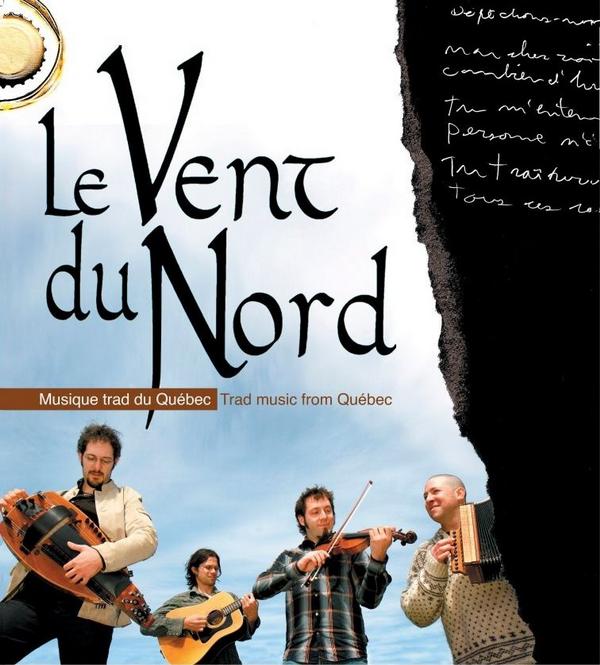
Le Vent du Nord, Lunasa’s La Nua and the Julie Fowlis EPK

Le Vent du Nord continue  to define borders of music never been explored before by other musicians. Not only that they create a kind of sound that appeals to both French, Irish and Breton listeners, they also transcend boundaries of what is alternative and what is traditional. Upon first listen, the band exude a kind of breezy top 40 adult contemporary rock feel…well, not until one listens carefully to the arrangements, one will realize how so much craft and thought have been poured into the recordings.

The really interesting thing about merging French and Celtic music is the way the words sound . There is a lot of sensuality to it.They help bring  Québécois music (which is heavily influenced by Celtic music from both Ireland and Brittany), to the  public and I think it also gave me so much insight into the kind of diverse culture Canada has. The band already released five albums.

Band members play a variety of instruments each taking turns in every arrangements.

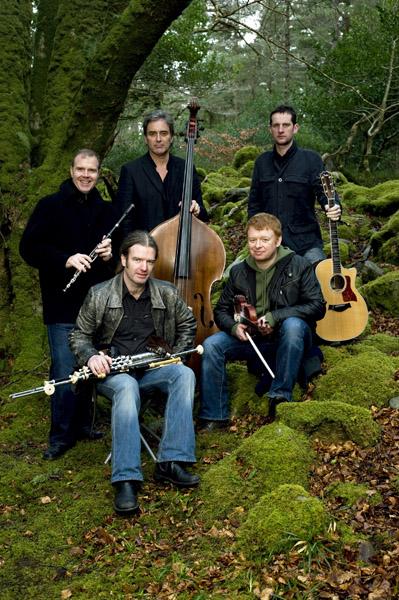
For those who love the traditional band Lunasa, they have a new album out called  La Nua . Samples of the songs can be heard on the band’s website.  This is really a treat to Lunasa fans who have been thirsting for  latest music coming from this one of a kind Irish band. Released last April, this is what the site has to sat about the new album:

Lúnasa celebrate the arrival of a new decade with Lá Nua (‘new day’).

After a 4-year hiatus from the studio, this highly-anticipated album came out of extensive rehearsal and recording on location in the beautiful Cooley mountains in the northeast of Ireland. This environment, rich in the history and culture of ancient Ireland, inspired much of the creativity and new writing on the recording.
Released worldwide 6th April 2010
Here is one nice video from Julie Fowlis . This is an EPK following the release of her latest album “Uam”. I love Julie Fowlis and the freshness she has brought into traditional music.
Why Celtic Music Fanatics Should Love Mary Jane Lamond

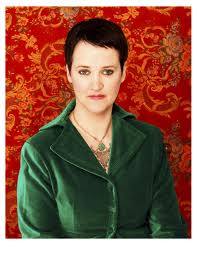
Just when we thought the singer with the golden voice has deserted us and left us riddles in Gaelic , she is back and is going around doing some shows. It seems that the foremost representative of Cape Breton’s Gaelic culture is back with more surprises. My foray into this lady’s music was actually due to an accident. I walked in the record store when I was in Makati, when I saw Làn Dùil. I knew the music would e something I like. The packaging says it. The colors red and gold expresses the sentiments. When I opened the liner notes I got a big smile. All songs are written in Gaelic! Though I am not a Gaelic speaker, I love the sound of it. I asked the sales person to play it in loud speakers. It was like going home. From then on I followed her career, and was really surprise when I learned she performed in Ashley McIsaac’s tracks like Sleepy Maggie. Miss Lamond is not the type of artist who releases an album every year. She takes her time doing intensive research. It is after all her academic background that brought her to Celtic music. Now she is really back and we hope for a long long time.

Resources:

http://maryjanelamond.com

http://www.myspace.com/maryjanelamond

http://en.wikipedia.org/wiki/Mary_Jane_Lamond

Shhhh! Listen to Skeeal Music

From their MySpace witten in Manx:

she possan dy wheig ‘skeeal’ jannoo ymmyd jeh feddanyn mooarey, gitar as coraaghyn. tayrn veih stoo tradishoonagh as bunneydagh, t’ad cummey reaghysyn sheiltynagh as smooinaghtagh, gleashaghey eddyr ny tree chengaghyn gaelgagh. t’ad voish mannin ny keayrtyn.

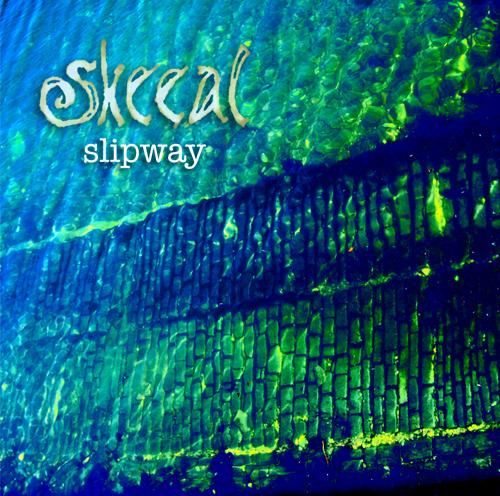
Another reason to off the lights: Skeaal has arrived coming from the sunny Isle of Man. This band has brought with them not only the Manx identity but also the ancient spirit of the culture by singing in Manx Gaelic which I and the rest of my readers will also like. When one speaks a foreign language …and turns t into a song, it really doesn’t matter if you don’t understand a thing. How the words and the infliction merge with each other becomes a music on its own. And it is not difficult learning the language this way. In my research , the last native speaker of  Manx died in 1974. But I know the language is making its revival with the help of bands like these. You can’t  force people to learn the language…you have to coax them into it. And this is how you do it.

The music is rich in melody and the instrumentals stand on their own. Relaxing yet has the flavor of Jazz, Rock and Folk. The band has been together for five years and the new album Slipway is out.

http://www.myspace.com/skeeal

How to define “Sean-nós” style of Singing.

wm_photo_genre_seannos

Sean-nos or “old style’ of singing as Gaelic suggests has been part of Irish music for ages. I would pull reference to singers like Iarla O’ Lionaird and,Mairéad Ní Mhaonaigh of Altan among the many. According to shamrockirishmusic.com, sean-nos can be:

1. A bare voice (not ‘sweet’, with a certain ‘natural fierceness’).

2. No vibrato.

3. No dynamic. (loud/soft)

4. Emotion is expressed through the use of vocal ornamentation, which varies from singer to singer.

5. Free, non-metronomic rhythm used by the singer.

6. The meaning of the words dictates singing from the heart, with ‘soul’. (Without dynamic – see above).

7. Often there is an emphasis on the consonants l, m, n, r to facilitate the free rhythmic pulse and to create a drone effect.

8. Occasional nasalisation.

9. Music takes precedent over the lyric.

10. Often extra meaningless syllables are introduced, e.g., “Thug (a) me”.

11. The use of the glottal stop/dramatic pause.

12. It’s unaccompanied.

13. The melody varies from one verse to the next, and from one performance to the next. This is often referred to as the ‘variation principle’.

14. And last but not least, the singing is in the Irish language.

The whole article can be found here.

Here is an example of Sean-nos singing. And of course my personal favorite Iarla O’Lionaird